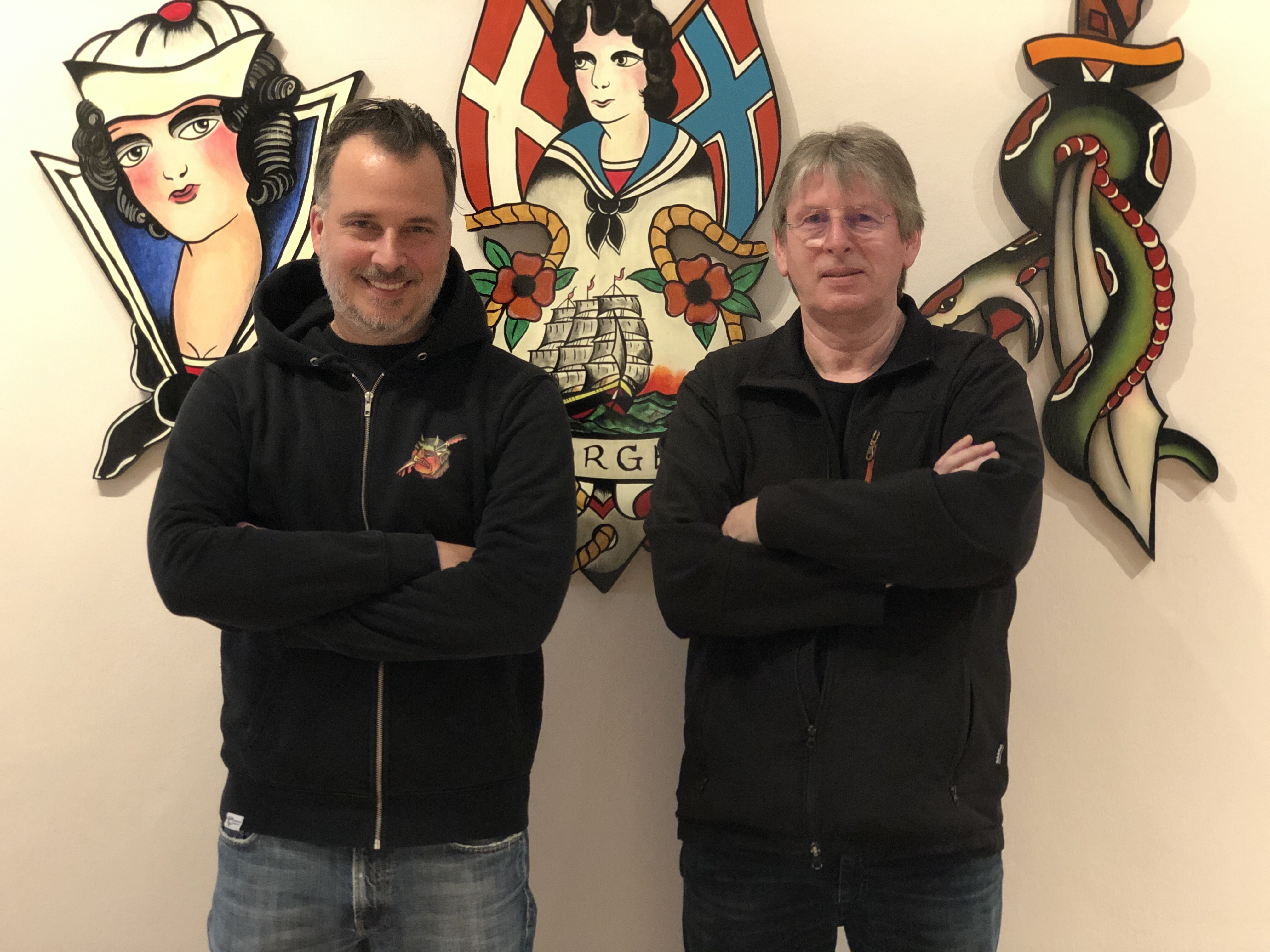
A pioneer of tattooing in Germany in the 1970s and a staunch advocate for the recognition of this practice beyond its long-disparaged fringe circles, Manfred Kohrs looks back on an era when his passion, like that of other trailblazers, helped to advance the history of modern tattooing. Now retired from the tattoo machine but still very active, he heads the Institute for the History of German Tattooing (IDTG) alongside researcher Ole Wittmann, another specialist renowned for his work on the legend of German tattooing: Christian Warlich.
In 1975, at the age of 18, you met the tattoo artist Horst ‘Samy’ Streckenbach, who would later become your mentor. But where did your journey with tattooing begin?
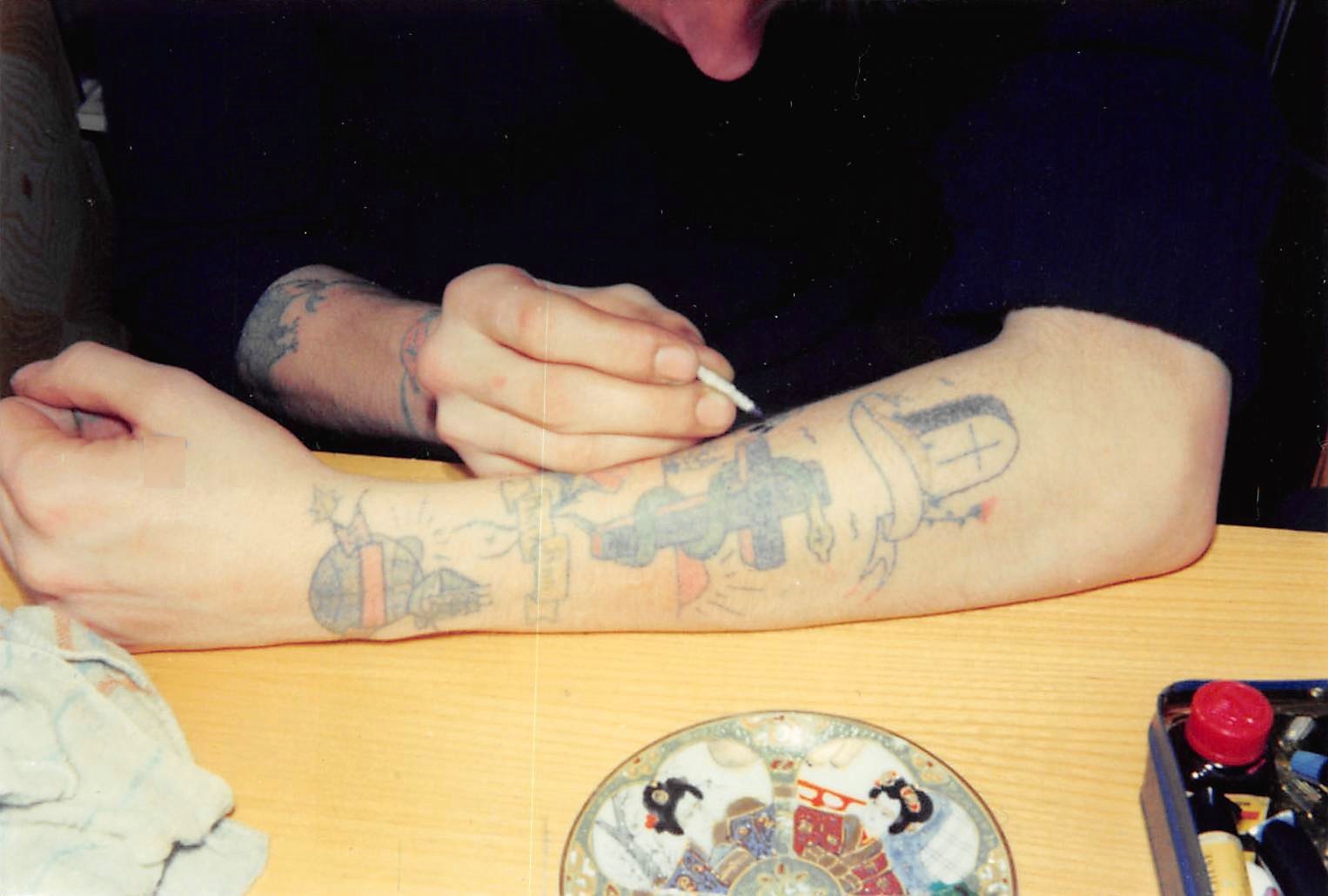
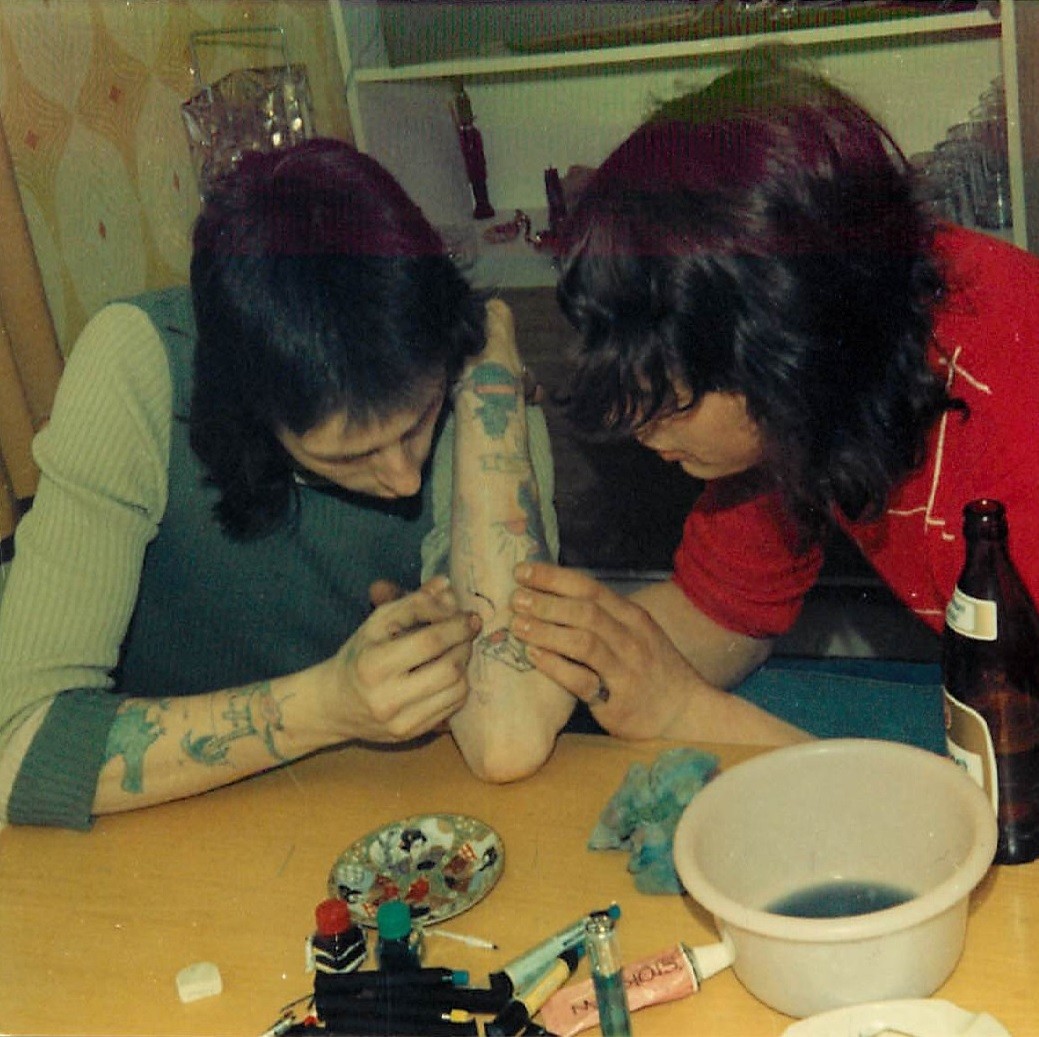
My interest was sparked in the late 1960s, amidst the climate of optimism and renewal that characterised that era. By 1969, I had taken up traditional hand-tattooing - an archaic technique that I nevertheless reinterpreted in an innovative way from the very beginning, by modifying the needle configuration and furthermore by adding grip handles. When I met Samy Streckenbach and Timm Ulrichs (a German sculptor and conceptual artist) at the Kunstverein in Hanover (a renowned German art association, ed.) on 26 January 1975, I had already developed my own style: my works were much larger and far more vibrantly coloured than what manual tattoo artists of the time had accustomed the public to. It was precisely this aesthetic curiosity that caught Streckenbach’s attention.
How did your friendship develop?
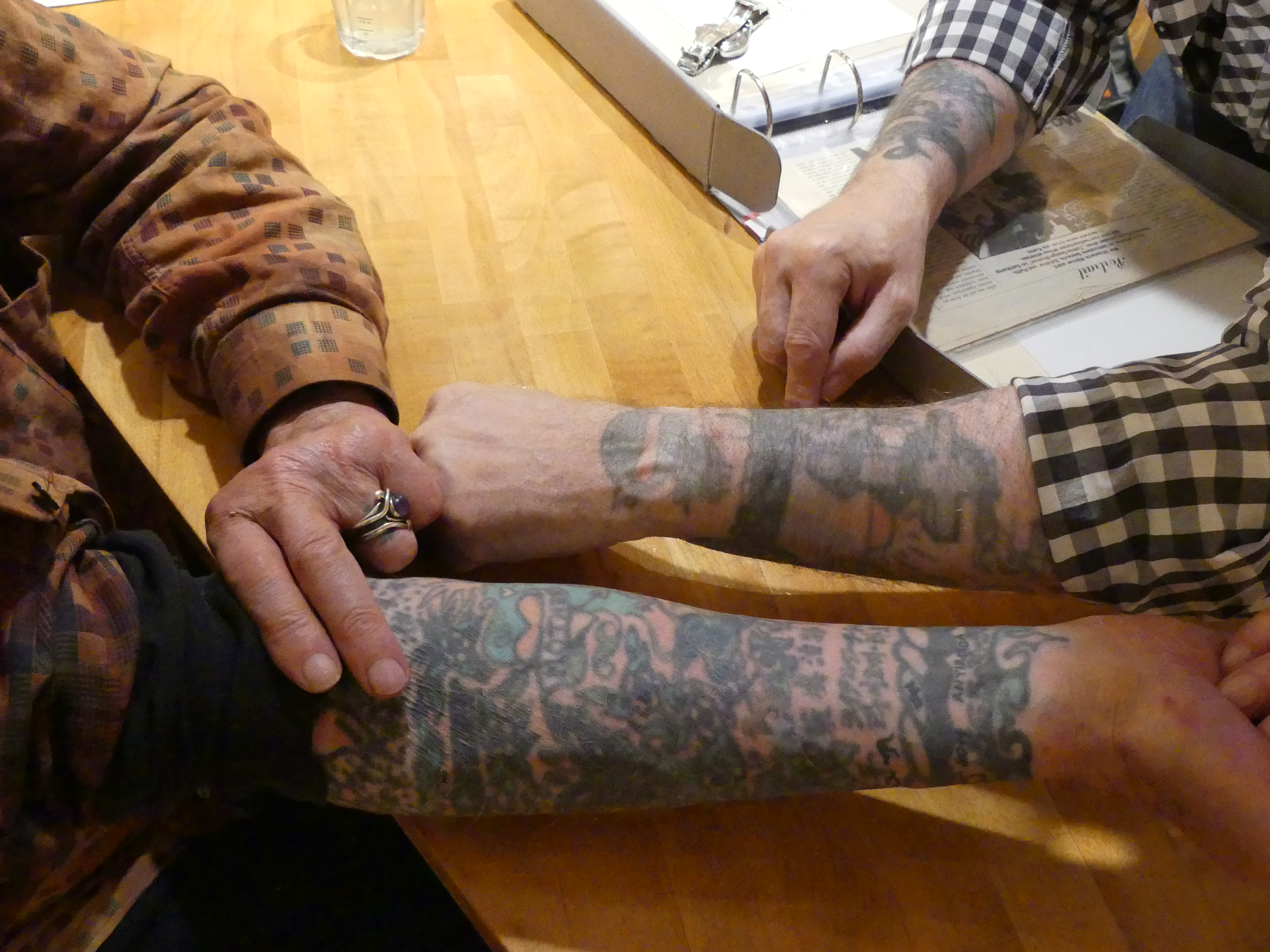
Thanks to the spider’s web tattoo that Streckenbach inked on my shoulder in front of the audience and the NDR cameras, as part of Ulrichs’ art project, I myself became an integral part of a total work of art. For me, that moment meant far more than simply getting a new tattoo – it sparked a deep interest in ART. It marked the beginning of a close collaboration with Samy, who became my mentor, as well as my determination to establish tattooing in Germany as a medium to be taken seriously within the visual arts. Today, this event is regarded by experts as the moment when tattooing crossed the boundary between subculture and the visual arts.
Samy and Ulrichs thus represented two opposing sides.
Around 1980, Ulrichs got in touch with me on Samy’s recommendation; I visited him at his studio in Hanover, where he told me about his plan to get ‘THE END’ tattooed on his eyelid. As I was still very young at the time and had no experience of tattooing in that area, it was ultimately Samy who took on the task in 1981. A fragment of the letter addressed to Ulrichs, in which Samy had expressly recommended me, can still be found in the estate today. These two figures were pivotal for me. Samy played a vital role in helping me understand that tattooing is an art form in its own right. Timm Ulrichs opened my eyes to the idea of using the body as a canvas to express existential messages. Today, I am carrying on this legacy as director of the Institute for the History of German Tattooing (IDTG). My aim is to conduct scientific research into this pioneering work and to keep alive, for future generations, the historical link between craftsmanship, subculture and fine art.
What did Streckenbach teach you during your training?
Samy didn’t just teach me machine tattooing techniques. He taught me to have a genuine respect for the skin - a deep awareness that we are working on a living, sensitive human being, and that every piece of work carries a lifelong responsibility for the person wearing it. But above all, he opened my eyes to the fact that tattooing goes far beyond a mere trade and is an art form to be taken seriously. Samy made me understand that a tattoo should not be a foreign object on the skin, but should enhance the individual’s anatomy and personality. Thanks to him, I realised that we don’t simply inscribe images beneath the skin, but that we shape an identity. He taught me precision in detail and boldness in form, which ultimately shaped my entire conception of composition and aesthetics in body art.
In 1976, you opened the first tattoo studio in Hanover. How did you get started?
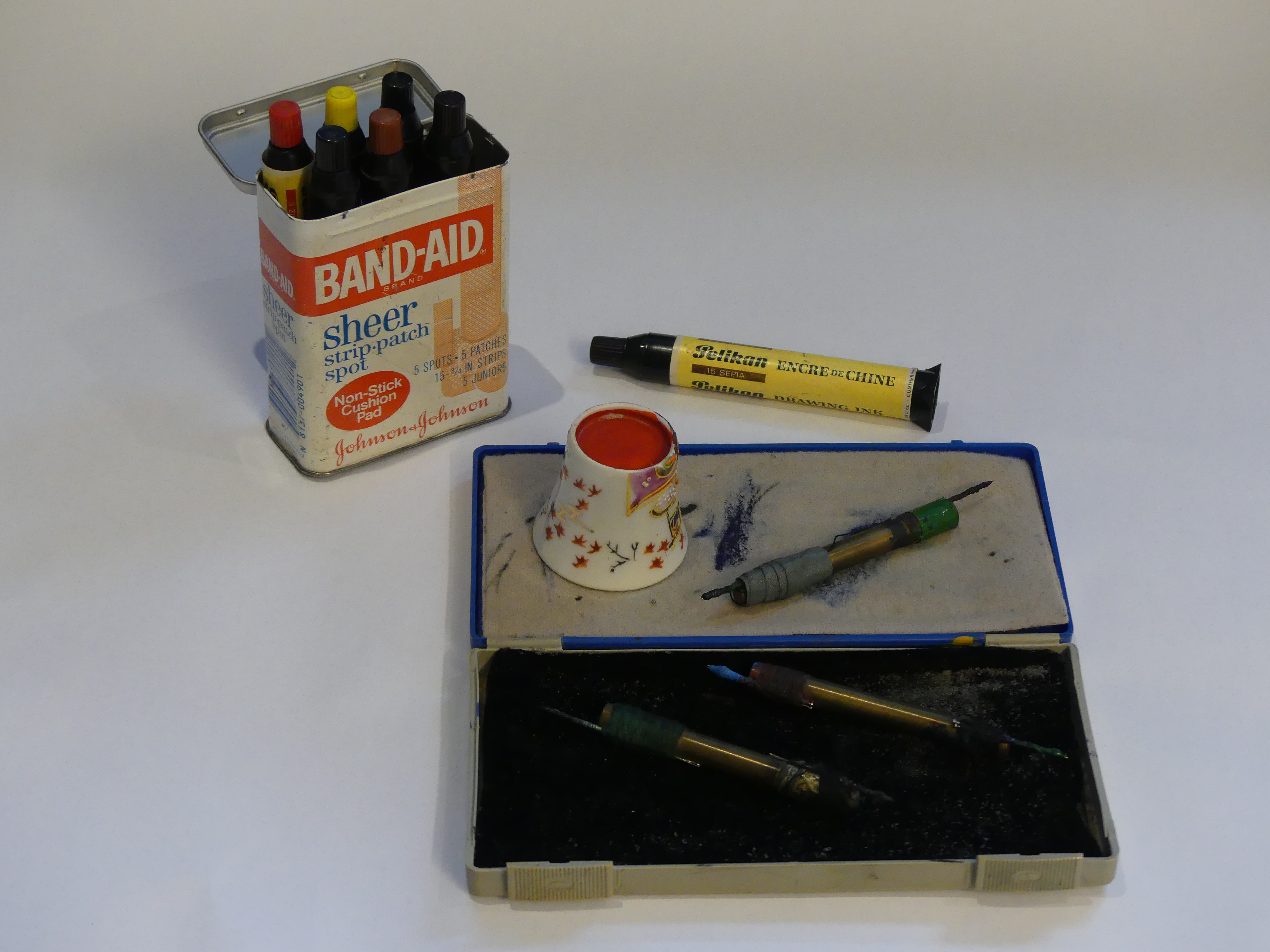
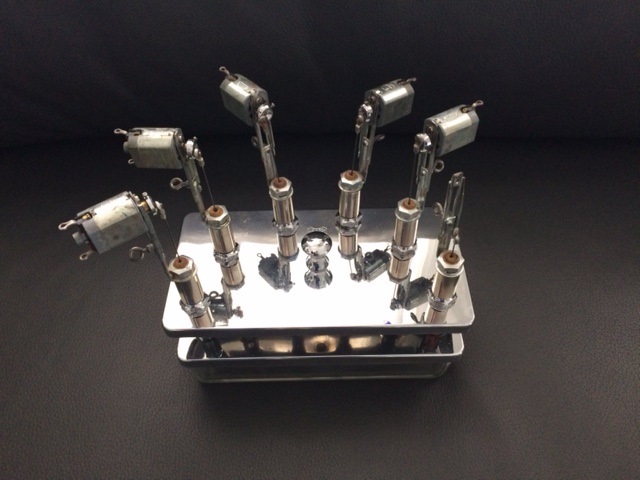
Back then, it was real pioneering work, with no frills. You mustn’t forget that there were no specialist shops, no catalogues and no internet: we were completely on our own. We soldered the needles ourselves and often mixed our inks under conditions that were precarious to say the least. My studio was the first in Hanover and one of the few in the whole of Germany to claim a professional standard.
What was that era like?
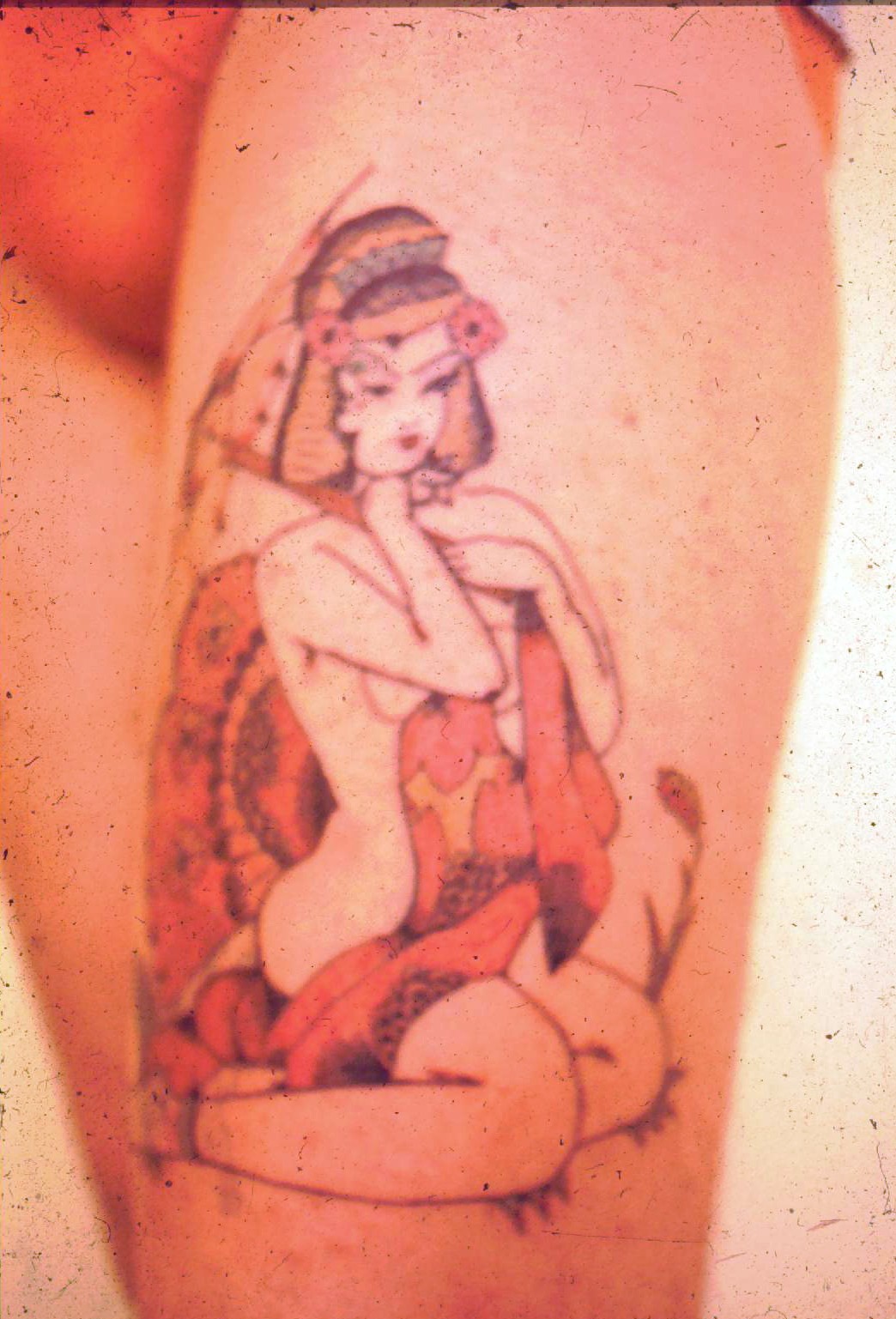
It was a period of renewal, crazy and electrifying, where we had to fight tooth and nail for everything. We were fighting on two fronts at once: technically, we first had to establish standards of hygiene and expertise, whilst socially, we were battling deeply ingrained prejudices. We worked tirelessly to establish our reputation in the city and prove that what we were doing wasn’t an act of rebellion on the fringes of society, but a new form of culture to be taken seriously. Every client who left my studio back then was an ambassador for this new era of tattooing.
What was your clientele like?
The scene was certainly smaller than it is today, but just as eclectic and fascinating. Besides the classic clientele of rockers and punks, more and more “perfectly ordinary” people came to me in search of something unique - especially many young people and, something that was often underestimated at the time, a surprisingly large number of women. Back then, a tattoo was not a fashion accessory, but a true statement; it was the visible affirmation of belonging to a distinct and self-aware world.
Where was your studio located?
I chose the location of my studio very deliberately: I was situated exactly at the crossroads between the artistic and intellectual old town and the raw charm of the red-light district. In my waiting room, worlds that otherwise rarely intersected came together, united by their trust in my work. I served a loyal and well-off clientele who understood that quality comes at a price - and that with me, they were getting something that went far beyond the standards of the time. I never saw myself as merely a service provider, but as someone who made individuality possible.
How many tattoo artists were there in Germany at the time, and what kind of relationships did they have with one another?
It is impossible to give an exact number. When Samy and I organized the meeting of professional tattoo artists in Hanover in 1977, we came to the conclusion that there were around twenty tattoo artists working independently. We had written to everyone, but in the end only twelve of them actually showed up. It is important to remember that, compared to today, opportunities for obtaining information - and therefore access to equipment and materials - were extremely limited at the time. People often say that I was the 14th tattoo artist in Germany. This misunderstanding probably stems from an early interview concerning the Hanover meeting. At the time, there were twelve participants, plus Samy and myself, making a total of fourteen people. However, my own research over the past few years paints a different picture. I estimate that there were probably closer to fifty tattoo artists, although this can no longer be verified with precision today. Compared to today’s highly diversified scene, that number seems like a small isolated outpost - a tiny circle, almost like a family.
What were your relationships with one another like?
Ambivalent. I had the impression that there were two camps. Some supported Herbert Hoffmann and his conservative circle, while others had rallied around Streckenbach. Whereas Hoffmann, as a guardian of tradition, cultivated the maritime heritage and the classic “old school” style, Streckenbach sought technical progress. It was mainly younger people who saw Streckenbach as a pioneer, because he wanted to move tattooing forward, transforming it from a subcultural practice into a modern and artistic craft. The meeting in Hanover therefore marked a decisive turning point: isolated fighters became an interconnected scene.
People often speak of an international correspondence network among tattoo artists: were you part of it?
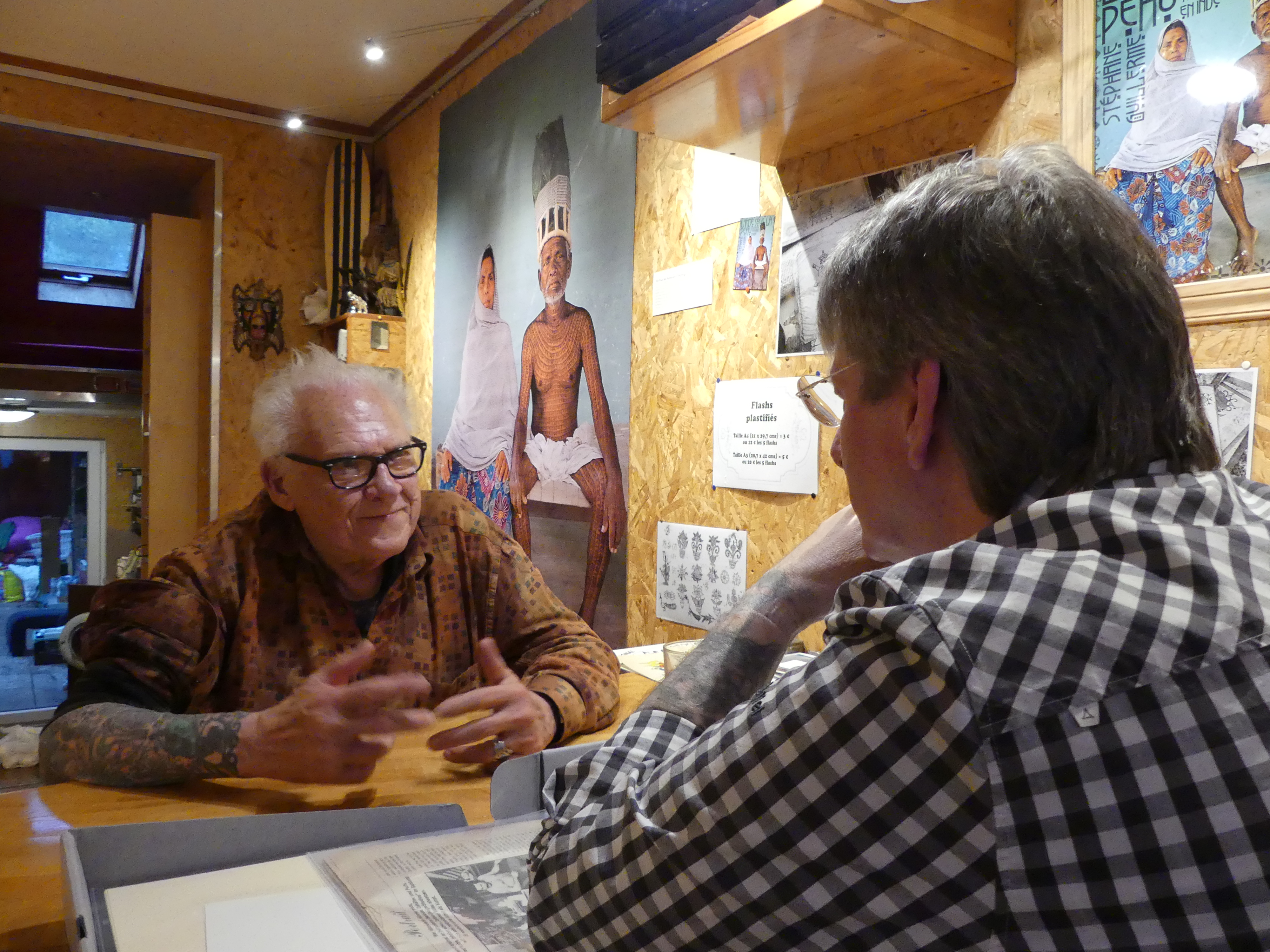
Yes, I actively participated in that international network. At the time, exchanging letters was essential: we sent each other sketches, photographs, and technical advice across the world, long before the arrival of the Internet. The first major American and British suppliers, such as Spaulding & Rogers, from whom I placed most of my orders, truly changed the game. Whereas I had always built my machines myself, I was finally able to order professional inks and accessories instead of painfully improvising everything in my back room. That was the moment when “garage tinkering” gradually evolved into a genuine artisanal profession.
Were there difficulties nonetheless?
Customs were a major obstacle. We often had to spend hours explaining to customs officers what exactly those pigments or strange accessories were, hoping they would eventually authorize the clearance of the goods. There was a great deal of skepticism: every delivery was a small victory over bureaucracy. And yet, in the 1970s, the paperwork was still relatively harmless compared to today’s regulatory frenzy. We had the freedom to experiment and develop our own standards without every new regulation immediately holding us back.
You traveled extensively: for what purpose?
My trips to tattoo conventions in the 1970s and 1980s mainly allowed me to deepen my knowledge and build connections. The atmosphere at those gatherings was unique. There was a real spirit of renewal within that community, which at the time was still small and very close-knit. I had the opportunity to personally meet many of the great names of the era, including pioneers such as Bert Grimm, Paul Rogers, Huck Spaulding, Cliff Raven, Spider Webb, Bob Shaw and Audrey Ford. I wanted to see how these colleagues worked, which techniques they used, and what aesthetic paths they pursued. It was important for me to move beyond the German framework and gain a real understanding of how the international scene was evolving.
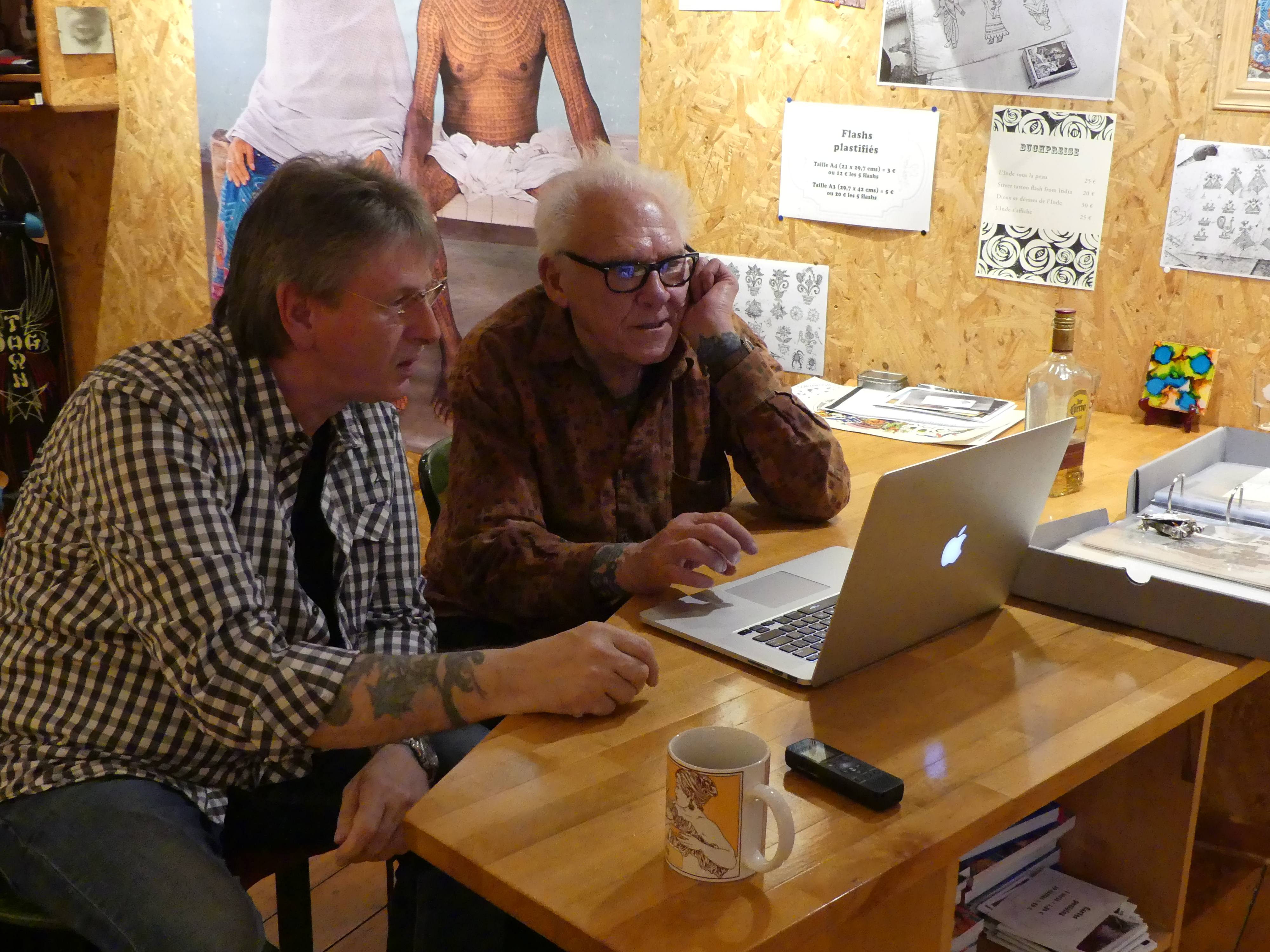
At the same time, what became known as the “Tattoo Renaissance” was emerging in the United States. Did you feel aligned with that movement?
Yes, absolutely. Even though here in Germany we followed our own path, the “Tattoo Renaissance” coming from the United States was the driving force behind many of the things we later put into practice. The term perfectly described what I wanted at the time: tattooing had to emerge from marginality and enter both mainstream society and the realm of serious art. I truly felt in tune with that movement. Exchanges with people like Cliff Raven or Don Ed Hardy showed me that we were not merely engraving images onto skin, but creating body art. Hardy, for example, introduced Japanese influences and an entirely new aesthetic that went far beyond the old sailor-style tattoo tradition. That inspired me greatly, even though my own drawing skills in that area were rather amateurish. For me, the tattoo renaissance was not simply a trend, but a confirmation. We were no longer a marginal phenomenon; we had become part of a global cultural shift. I wanted to bring that professionalism and artistic ambition to Hanover — and the founding of the club in 1977 was, in fact, my modest response to that international movement.
In 1977, you founded the first association of tattoo artists in Germany. What was your motivation?
It was an important step toward the professionalization of the sector. We wanted to move out of marginality and break away from the typical “street tattoo” image that was associated with the practice at the time. Our goal was to establish strict quality standards, encourage professional exchange, and recognize tattooing for what it can be: a true art form. For me, it was never a matter of “either/or.” A good tattoo artist must be both at once: a top-level craftsman, mastering technique to perfection, and a passionate artist. Without a solid craft foundation, art remains superficial, but without an artistic spirit, craftsmanship remains soulless. The idea of having all this officially recognized by the state only came much later. At present, marked by an extreme regulatory frenzy, this topic is the subject of controversial debate — and rightly so. At the time, however, quality and creative freedom were our top priorities.
What were your main artistic influences?
A mix of traditional craftsmanship and new impulses that pushed tattooing far beyond the old sailor style. As I mentioned, Samy Streckenbach and Timm Ulrichs were decisive influences. At the same time, I was fascinated by artists such as Boris Vallejo, with his heroic fantasy universe, or Ul de Rico, with his richly colored fantastical visual worlds. The complex graphic illusions of M.C. Escher also left a deep impression on me. I should, however, add that I did not have the talent required to actually create such works; I was not a great painter. My strength did not lie in reproducing these images on skin myself, but in recognizing their value for the development of our craft. I saw myself more as a pioneer and a technician who created the framework that allowed such aesthetic approaches to find their place. My goal was to professionalize the craft and its techniques so that this new form of art would have a solid foundation.
What is your view of today’s tattoo artists?
When I see what is possible today, I must admit—without any jealousy—that there are now true Michelangelos among tattoo artists. The level of technical mastery and artistic depth expressed on skin today is phenomenal. In comparison, our work from the pioneering days naturally looks very simple now. But that is precisely the beauty of this evolution: we pioneers built the structure and prepared the ground. We worked with the means available to us and advanced the craft step by step. Even if today’s works belong in a different category altogether, our contribution was the necessary starting point. We created the canvas on which today’s artists can now produce their masterpieces.
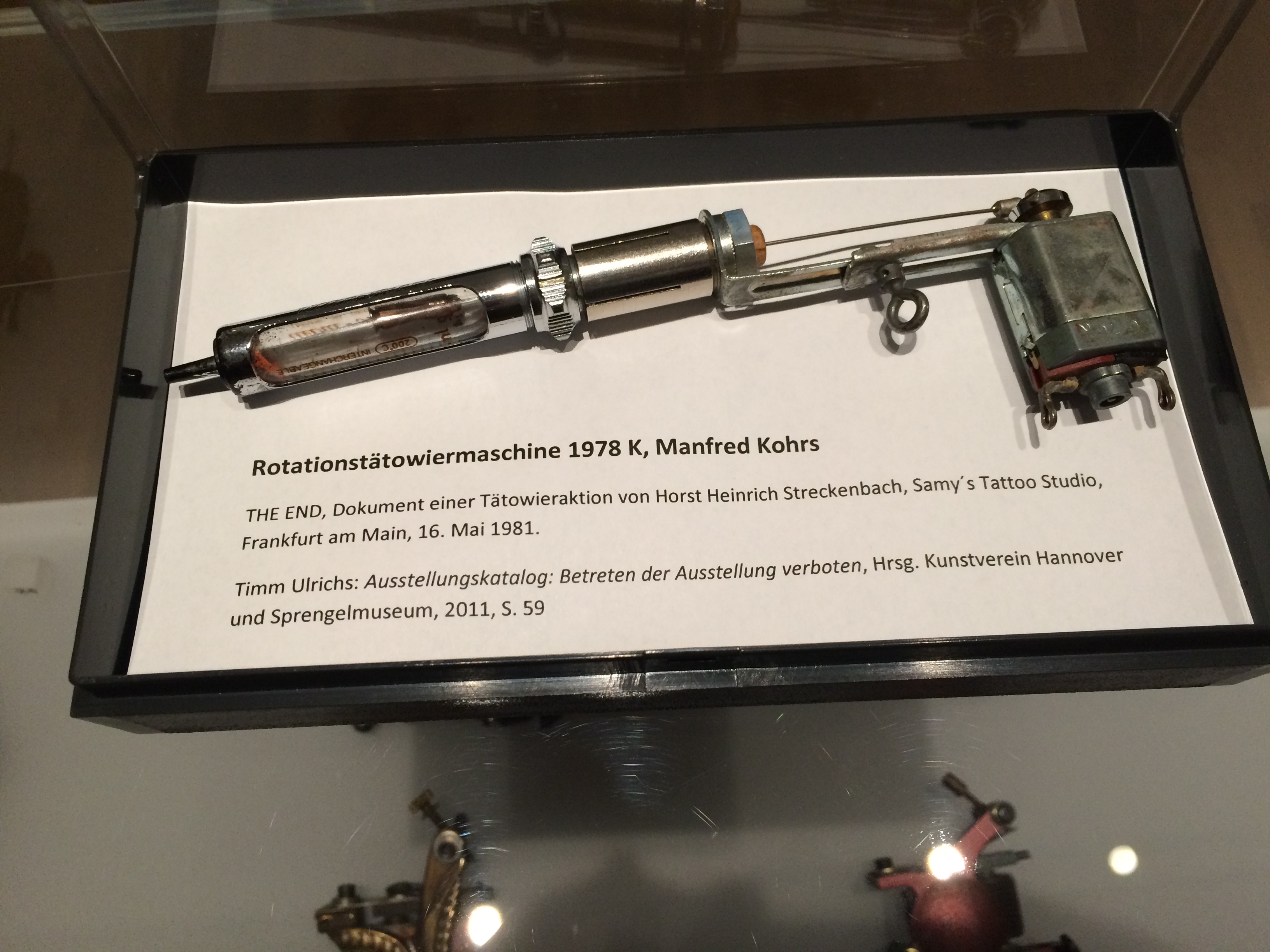
In 1978, you developed a new model of rotary tattoo machine: what did this innovation consist of?
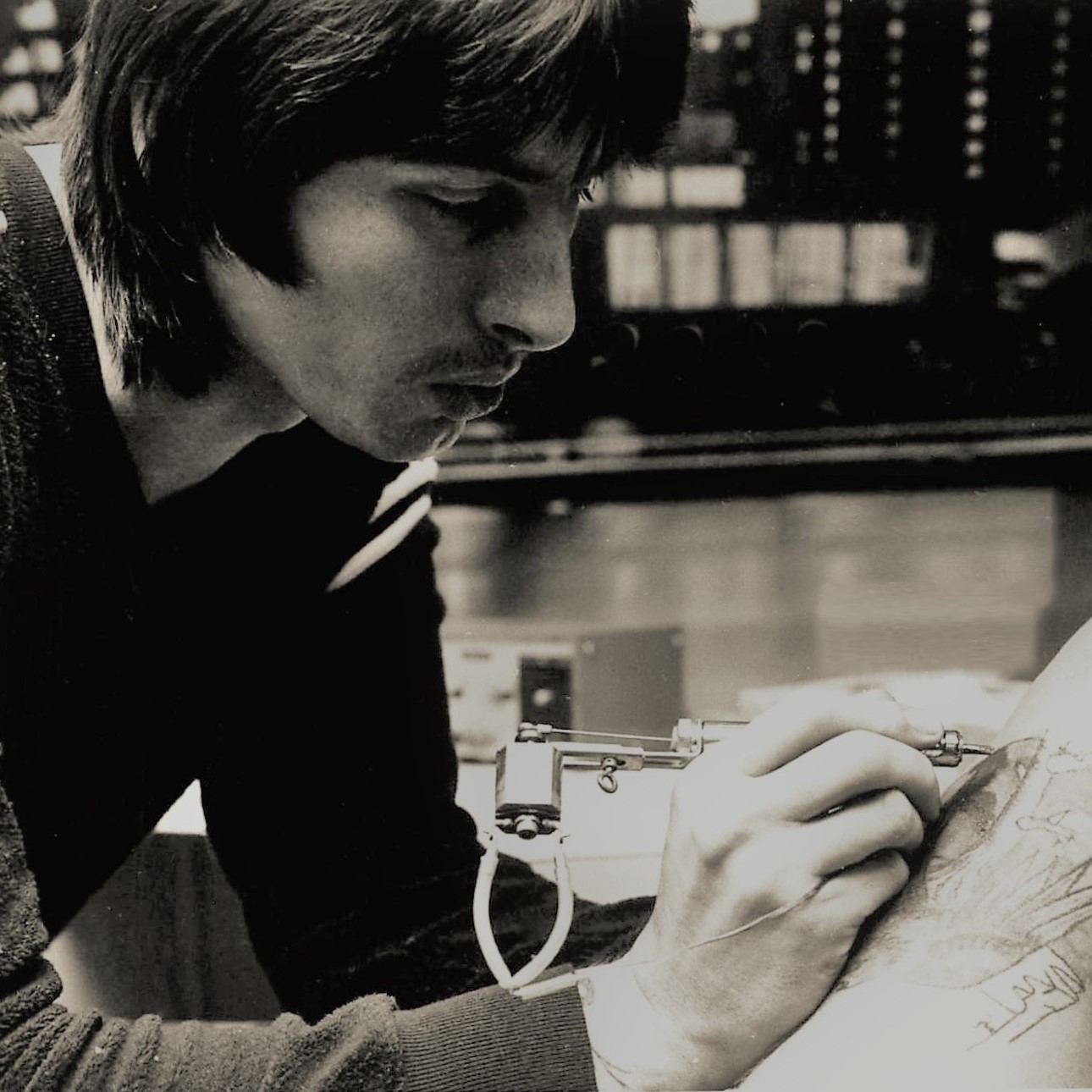
The innovation lay in the drive system. Whereas traditional machines used electromagnetic coils, the model I adopted from Samy Streckenbach was equipped with a powerful direct current motor. The shift from a heavy, vibrating magnetic hammer system (coil machines) to an efficient DC motor revolutionized ergonomics. The reduction in noise and vibration not only protected the tattoo artist’s joints, but also significantly improved the skin’s healing potential, thanks to the adjustable and dampened needle stroke. With a quick-connect system, I made the device even more practical to use. In addition, the machine was fully disassemblable, and the materials came from the medical sector. Because it was made of medical-grade materials, it was fully sterilizable, including autoclave processing. This enabled a workflow that has now almost disappeared in the era of disposable plastic modules. Today, the tattoo industry almost exclusively uses single-use needle cartridges, plastic barriers, and disposable grips. What was once considered a hygienic advancement through reprocessing has been replaced by the convenience—and profit-driven mass production of plastic waste.
You have a tattoo of a samurai by Ed Hardy on your back. Under what circumstances did you get it?
That tattoo came about during one of my travels. At the time, Don Ed Hardy was already a legend and a pioneer in combining Western technique with Japanese aesthetics. At the 5th North American Tattoo Club convention in 1980 in Sacramento, Samy Streckenbach had a lot to discuss with him. I took the opportunity to ask whether he would be willing to tattoo a Japanese motif on me. That’s how I ended up with the samurai. Unfortunately, we only had time to complete the outlines, so I’ve had an unfinished samurai on my back ever since. Samy later added a bit of shading. As an anecdote: in recent years, I asked several tattoo artists whether they would be willing to finish the samurai. All of them refused. One of them told me: “I’m not going to retouch a tattoo by Ed Hardy!”
At 40, you went back to university and now work in tax consultancy. What pushed you to make that career change?
Until 1985, I practiced tattooing with passion. But a defining event in 2001 redirected my life: my former mentor and tattoo teacher, Samy Streckenbach, died in poverty after a tax audit financially and existentially ruined him. That experience was a turning point for me. I painfully realized that craftsmanship alone is not enough to protect a life’s work when the economic foundations are missing. In order to prevent others from suffering a similar fate, and to build a bridge between creative passion and professional security, I went on to study business administration. Since then, I have worked in business and tax consulting. Today, I use my experience from both worlds to support self-employed professionals and provide them with the financial security that my teacher lacked at the time.
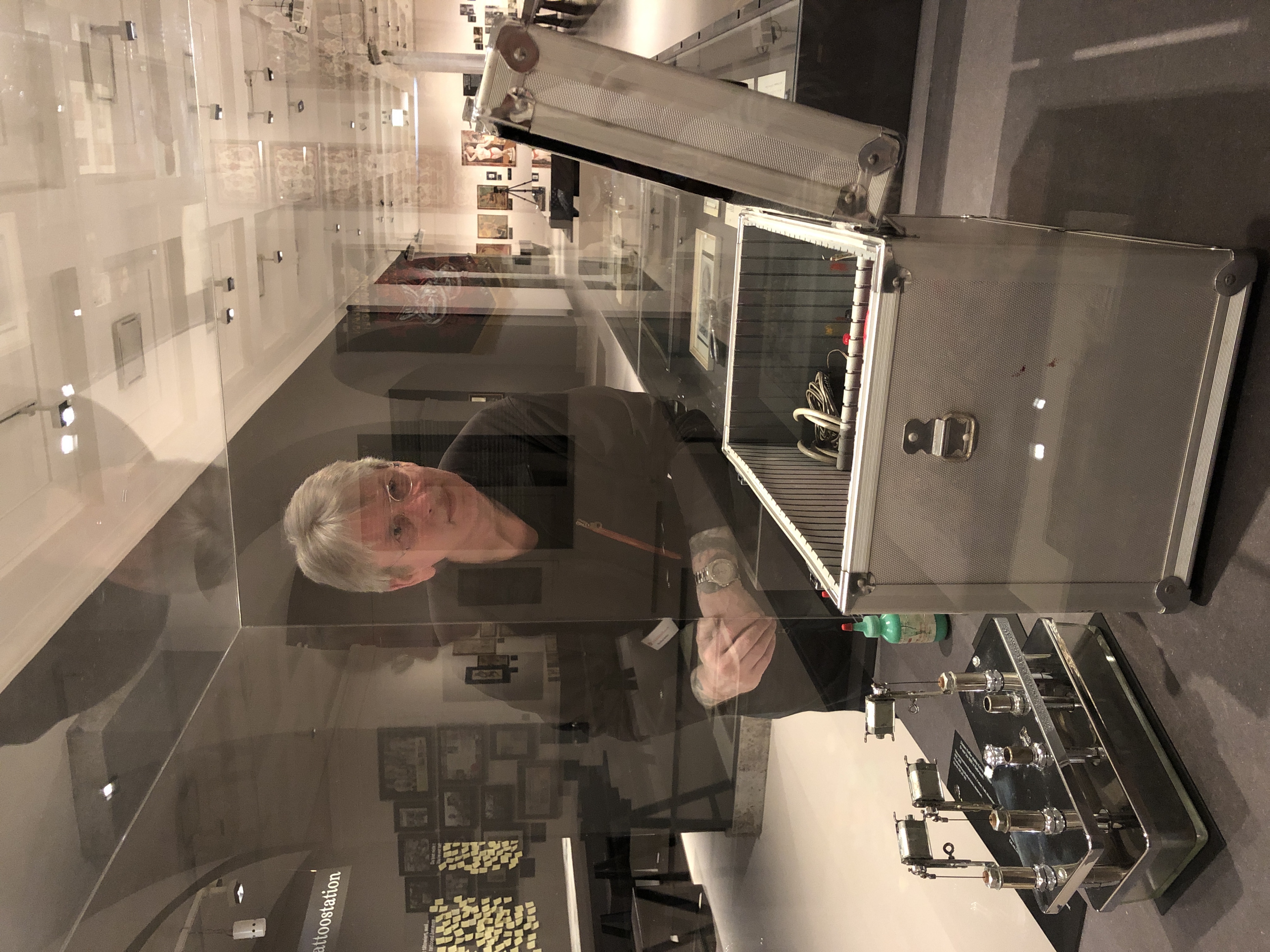
You also work on the archives of Streckenbach and his mentor Hans Ullrich: what are the main challenges of this work?
Studying the work of Hans Ullrich (1909–1957) and his student Horst “Samy Streckenbach” (1925–2001) is a challenge that resembles archaeology. We are dealing with nearly a century of tattoo history, where the material traces often have to be recovered under extremely difficult conditions. Locating and bringing together the two main parts of Streckenbach’s estate, as well as the partial estate of Hans Ullrich, has made it possible to lay the foundations needed to reconstruct, as far as possible, the origins of modern tattooing and piercing in Germany.
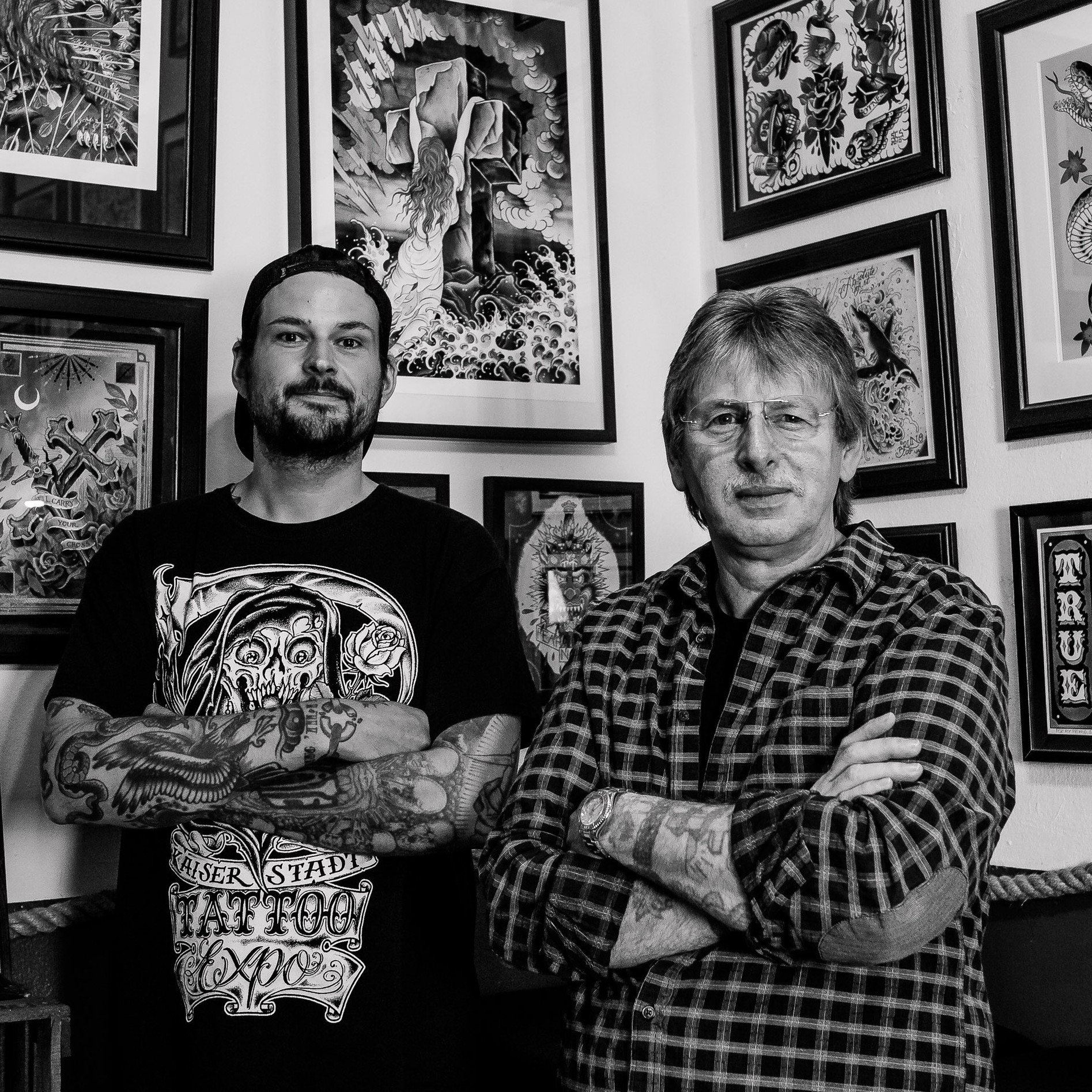
How do you go about it?
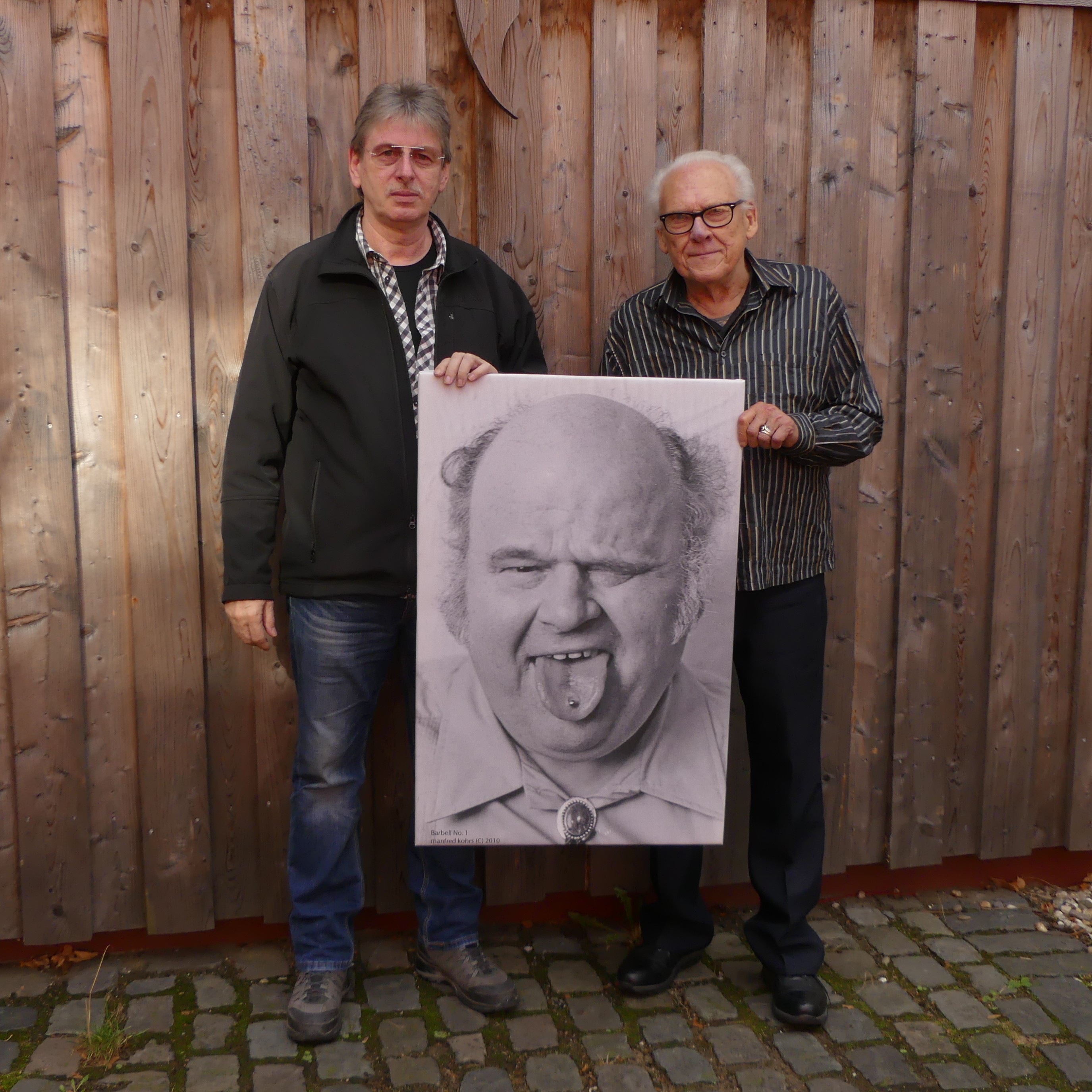
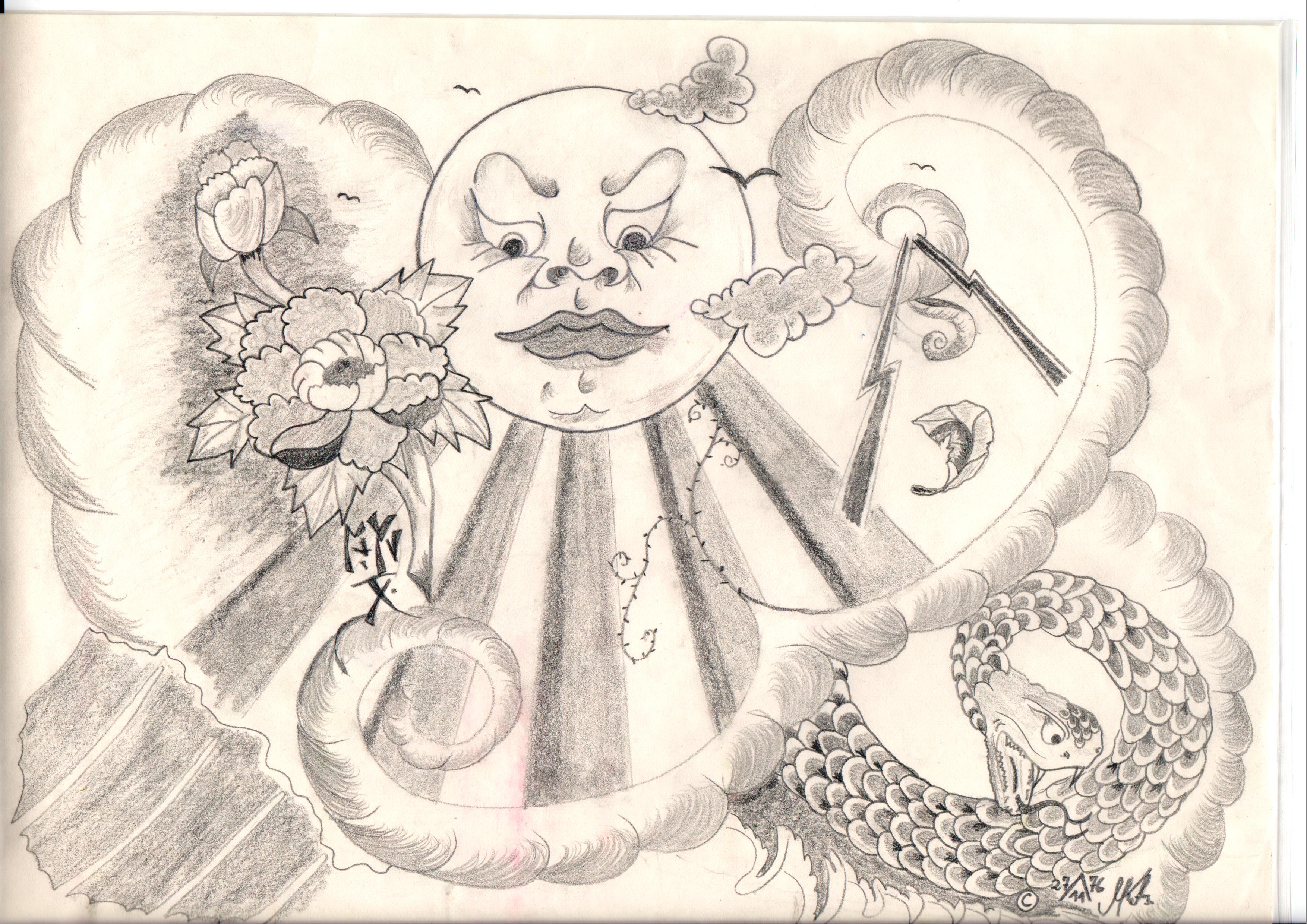
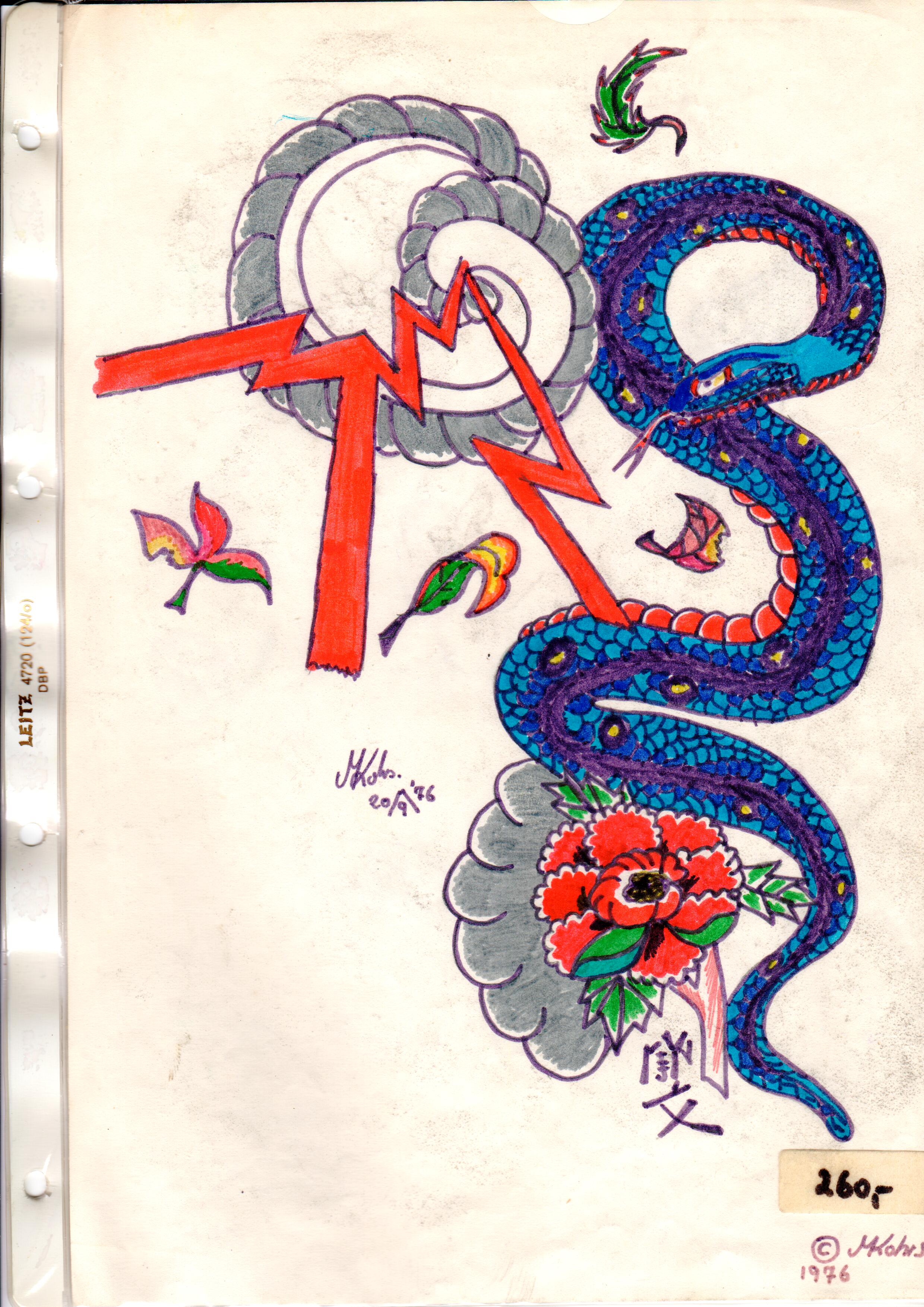
Here are the main pillars of the archival work: Museum-grade preservation: The primary goal is to preserve physical evidence from deterioration. In addition to one of his original design albums, remnants of his piercing work—including the “Barbell No. 1” piercing—have been secured. These unique pieces are now stored for the future in acid-free, climate-controlled archival systems. Completed visual documentation: An important step in documentation has already been achieved: around 2,500 slides have been carefully dismantled, cleaned, and digitized in high resolution by a specialized service provider. This collection forms the visual backbone used to illuminate Samy’s work and his international networks. Scientific approach and networking: Since many stages of this evolution were not systematically recorded at the time, the work resembles a complex puzzle. Research trips to the Cantonal Library of Trogen (Herbert Hoffmann foundation), as well as valuable contributions from Hoffmann’s former place of activity—the “oldest tattoo studio in Germany” (Hamburg/St. Pauli)—help connect the fragments and historically situate Samy’s role within the “old guard.” Creation of digital archives: The aim is to network digitized visual sources with existing notes and objects. The goal is to preserve the remaining traces and reconstruct, as precisely as possible, the transition from craftsmanship to modern body art, before the memories of contemporaries fade completely. This project preserves what is still tangible. It transforms scattered fragments into a solid documentation of an extraordinary life’s work that has profoundly shaped today’s global body culture.
What is the mission of the IDTG today?
To answer this question, I would like to go a little further back in time: the Institut für deutsche Tätowier-Geschichte e.V. originally emerged from the “Nachlass Warlich” project. During our collaboration from 2016 to 2020 at the Museum of Hamburg History, Ole Wittmann and I quickly realized that we formed the ideal team to study and preserve the history of German tattooing. We bring together two complementary worlds: as a doctor in art history, he contributes the analytical perspective of academic research, while I, as a collector and contemporary witness, contribute both material and in-depth practical knowledge. In order to provide a solid foundation for this collaboration, we decided in 2018 to establish the IDTG as a non-profit association. Since then, we have become a leading reference and have taken on a genuine pioneering role. As an independent institution, we are probably the only organization in the world dedicated exclusively to the scientific study and archival preservation of tattoo history. This combination of academic rigor and collector’s sensibility is what drives us to treat the heritage of our profession professionally and to preserve it for the long term.
What are your other missions?
Currently, the Kohrs tattoo collection—which includes the significant posthumous estates of Samy Streckenbach and Hans Ullrich—forms the core of our work. Beyond preserving these historical sources, the institute is dedicated to systematic research, providing specialist consultation for researchers, and maintaining close collaboration with museums and universities. Through publications such as Ruth and Hans Ullrich, lectures, and exhibitions, the Institut für deutsche Tätowier-Geschichte makes its research accessible to specialists and the interested public. The focus lies on the systematic indexing, classification, and long-term preservation of tattooing as a cultural asset.
What are your plans for the future?
I will turn 70 in January, and after four decades as an entrepreneur and consultant, I am now gradually stepping into retirement. I have achieved more than I could have hoped for; it is now up to the younger generation in my family to show what they are capable of. As I transfer part of my businesses and reduce my consulting work, I am dedicating more time - with my wife Diana - to research and archival work, which brings us great joy. We are continuing the digitization of Streckenbach’s legacy; at the same time, I am working on my own “Tattoo History” series of notebooks, with the second volume soon going to press. In addition, I am preparing a biography of Horst Streckenbach with Ole Wittmann, which will be published as Volume 2 in the IDTG series. I am also considering enrolling at Leibniz University Hannover as a history student; this might help me further develop my methodological approach and contribute to academic research in a complementary way. Because while science provides valuable analysis, my approach remains deeply personal: I do not need to analyze ink in a test tube—I have it in my blood.
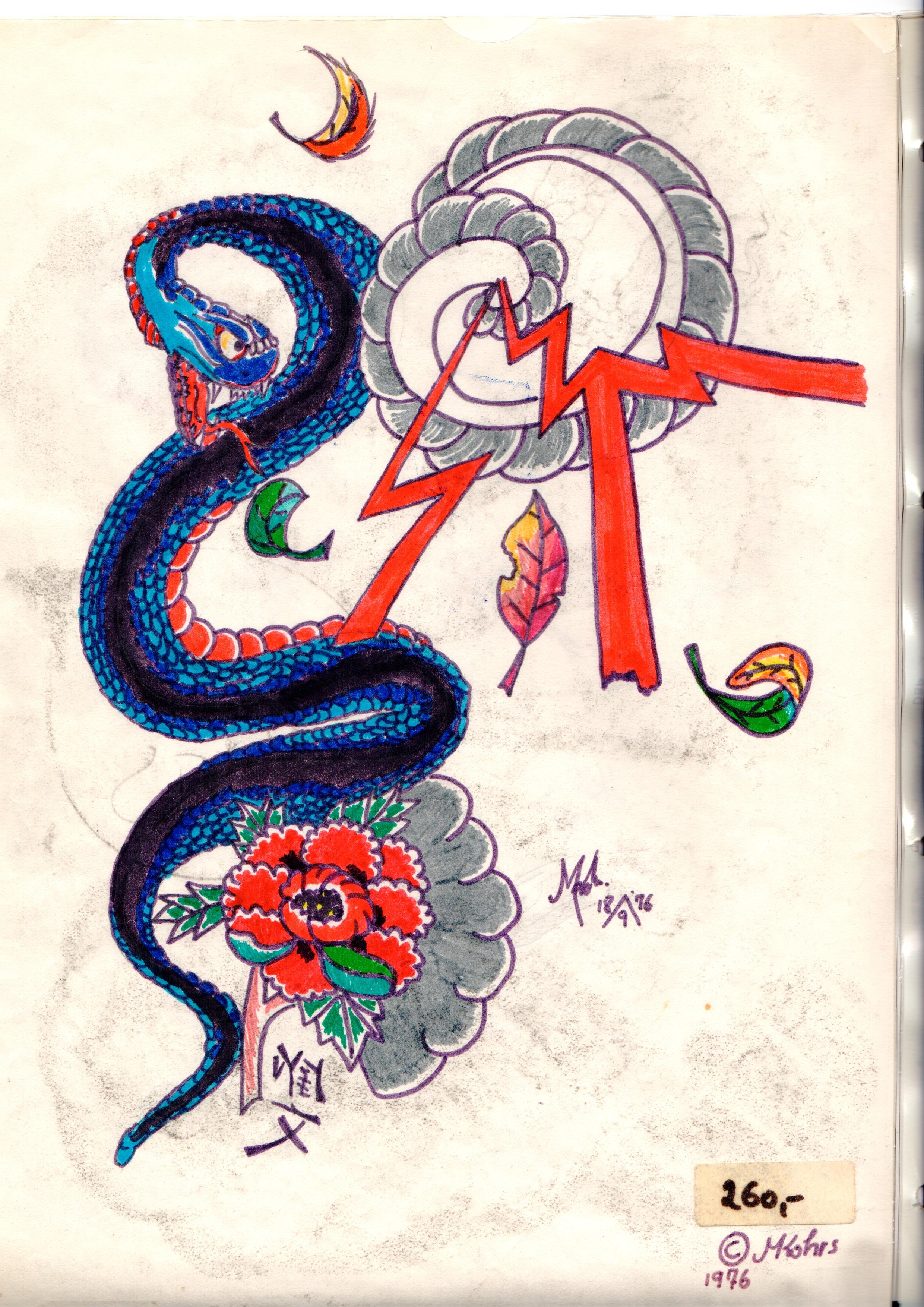
+ @tattoo_collection_kohrs @idtg.ev https://idtg-ev.de/